Each year, the United Nations hosts a conference where over 50,000 diplomats, researchers, and advocates from across the globe gather to negotiate solutions to the climate crisis. Called a COP, or Conference of the Parties, these summits lead to landmark decisions like the Paris Agreement, a legally binding pledge to keep global warming below 2℃.
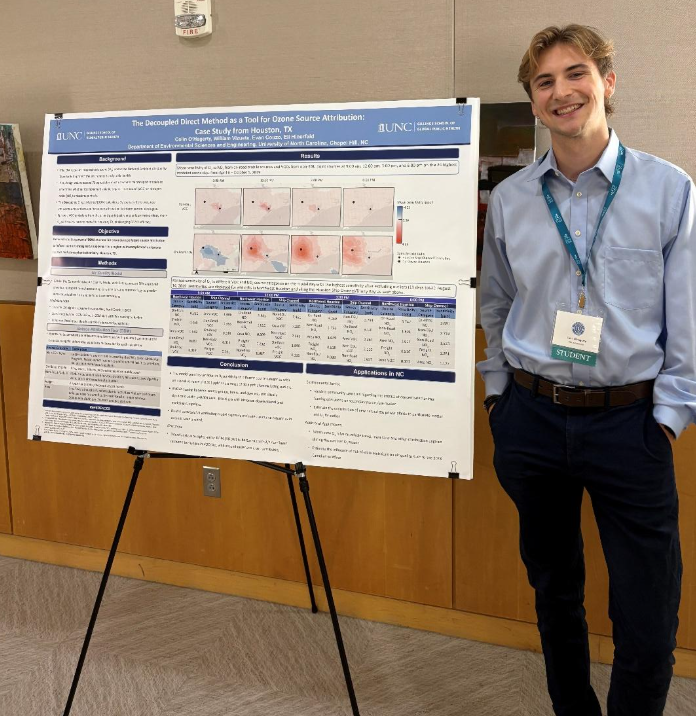
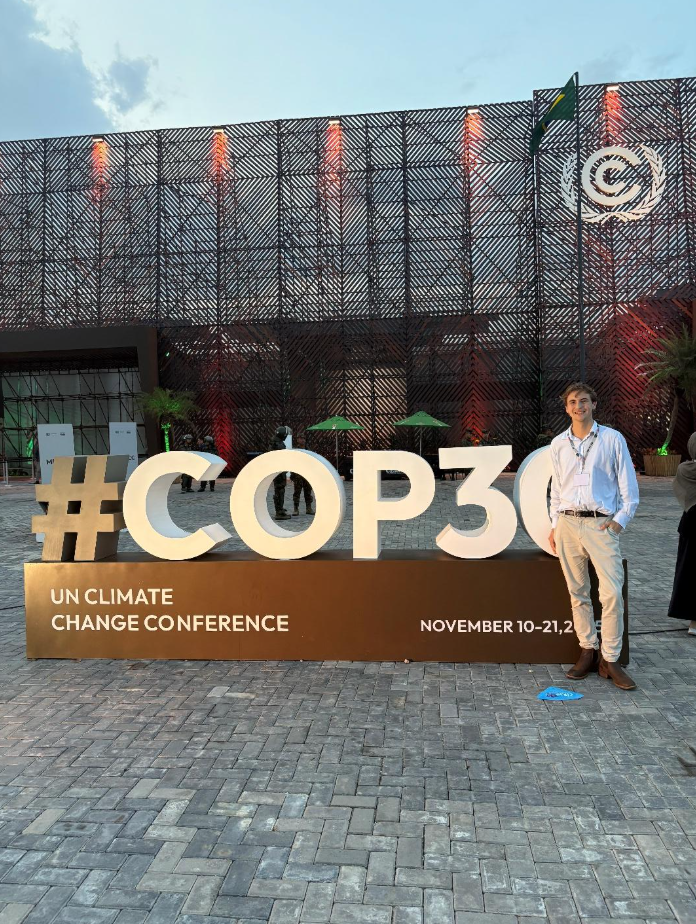
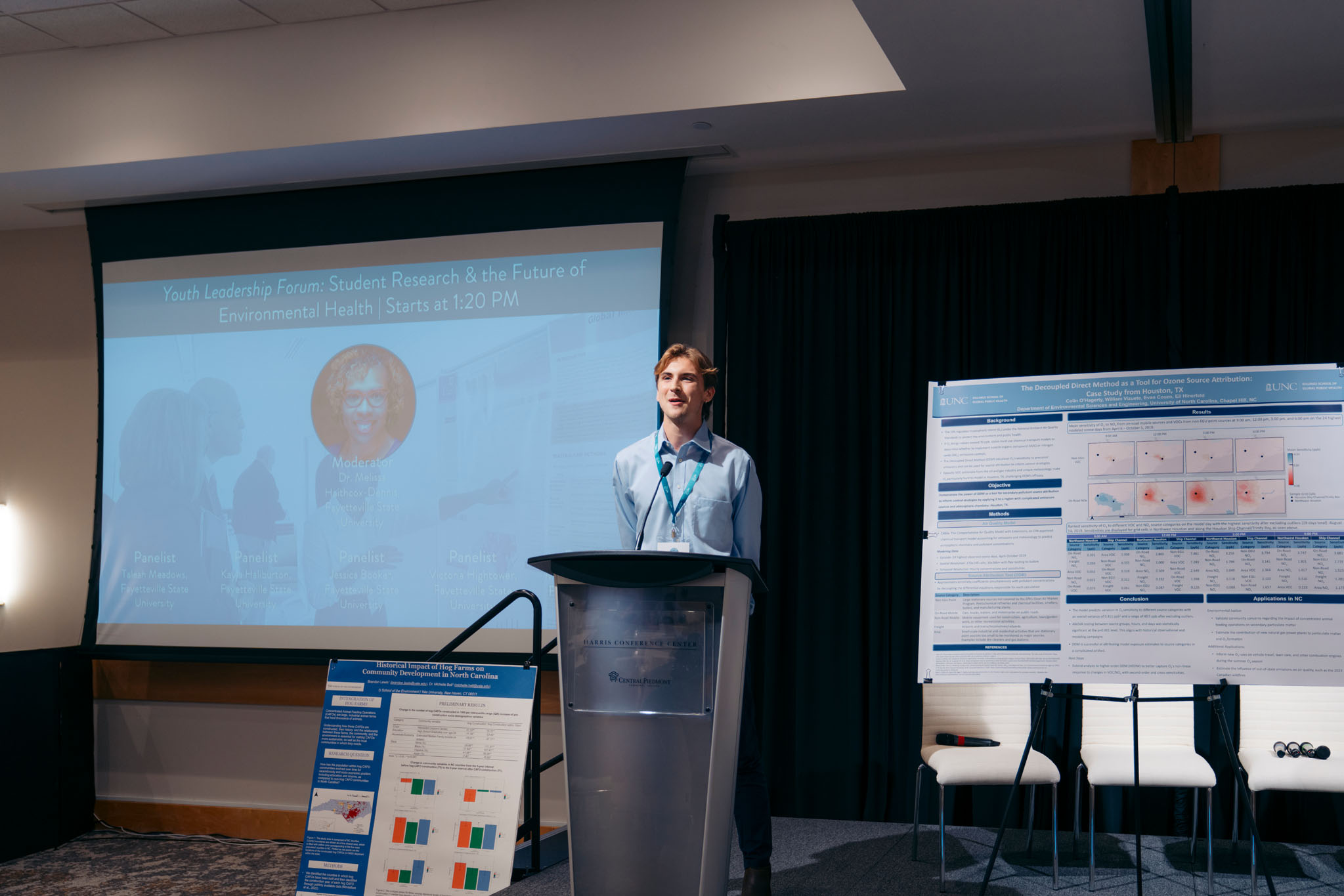
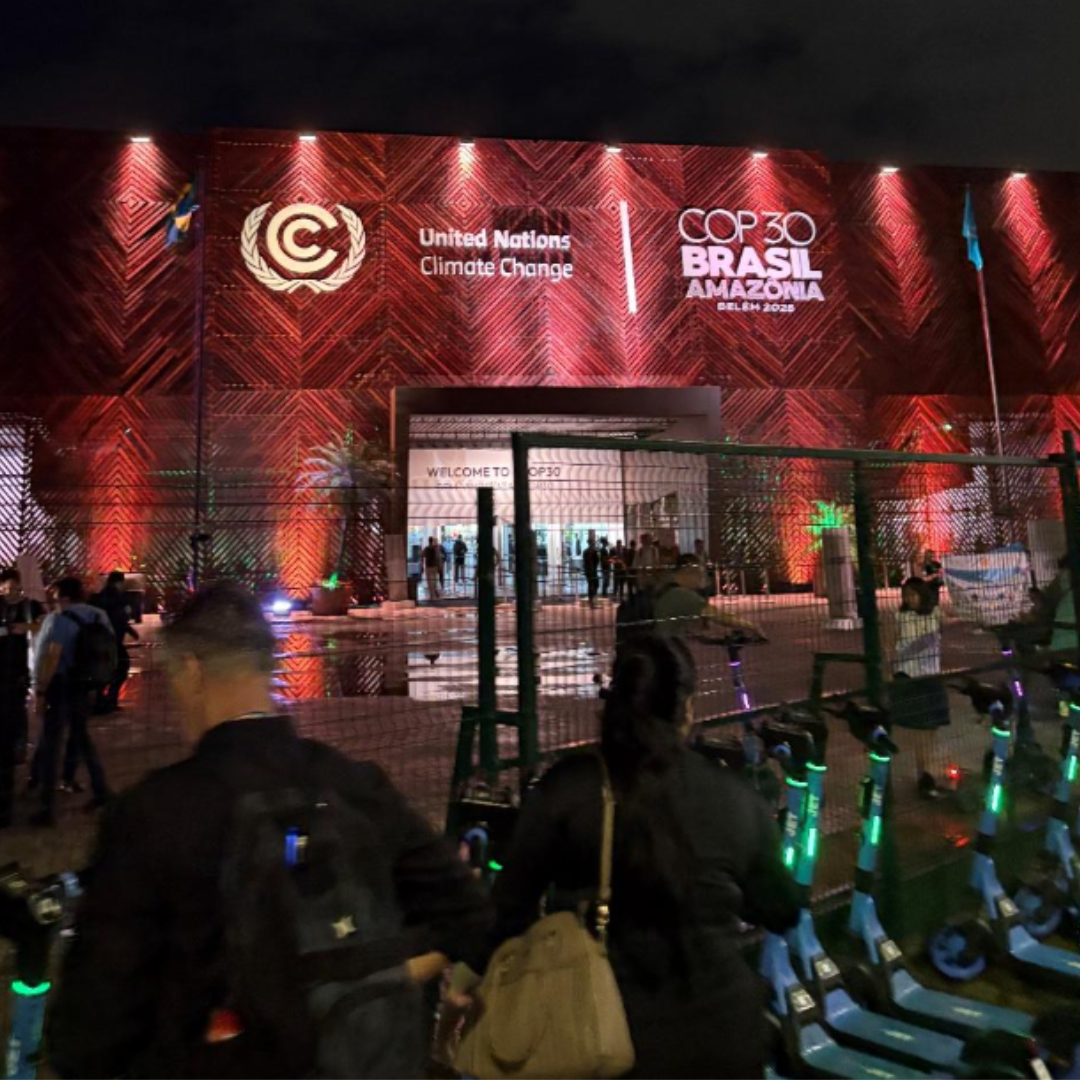
In November, UNC Chapel Hill student and 2025 NC BREATHE Conference poster winner, Colin O’Hagerty, traveled to this year’s conference, COP30, in Brazil. An accredited observer on behalf of UNC’s Data-Driven EnviroLab, he attended the first week of the main conference in Belém and the World Mayors Summit in Rio de Janeiro. It was an incredible opportunity to see how global partnerships and funding from international organizations fuel climate solutions in local communities.
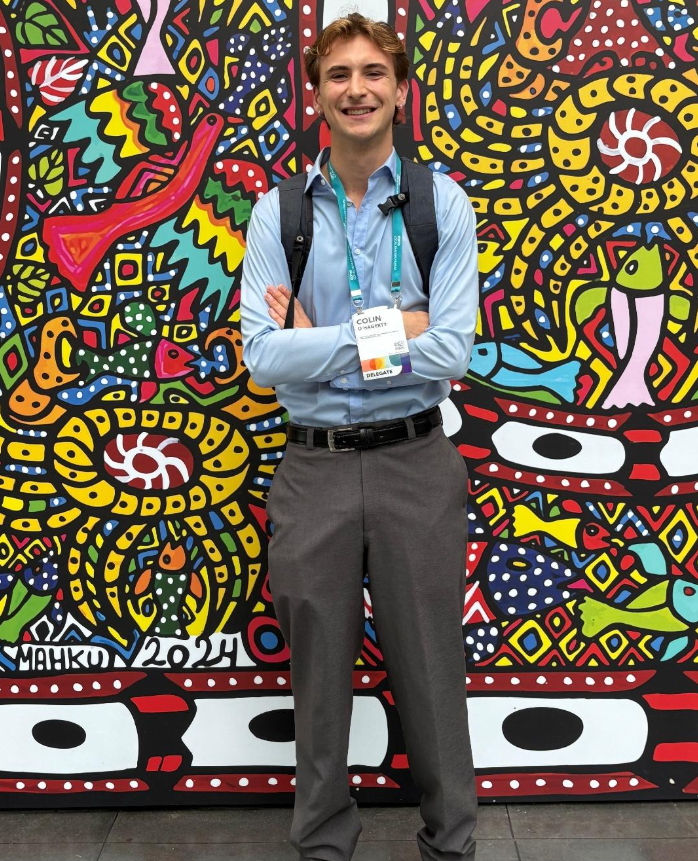
Landmark decisions like the Paris Agreement and headlines about flashy negotiations dominate coverage of events like COP. As I reflect on my two weeks in Brazil, however, I’m reminded instead of the inspiring stories from cities and local communities turning these high-level commitments into action.
From the devastating floods of Hurricane Helene in 2024 to the threat of urban heat in cities worldwide, climate change is felt locally. While we often think that national governments and international bodies like the United Nations hold the most power to address climate change, they are so far removed from the people feeling its impacts. Time and time again, speeches from mayors in Rio proved this point.
To address hazardous heat and waste emissions in Freetown’s informal settlements, Mayor Aki-Sawyerr’s administration in Sierra Leone has already planted over 1.2 million trees with plans to plant 5 million by 2030 and install cold storage facilities, shade structures, and cool roofing in open-air markets. With expanding data centers threatening their power grids and water supply, Mayors Kate Gallego and Nicholas Reece of Phoenix, AZ, and Melbourne, AUS, are advocating for their constituents, demanding regulations from capitol hill. While national governments can pass subsidies and enact sustainable policies, local governments and nonprofits proved that they are better suited to make an impact because they know their communities best.
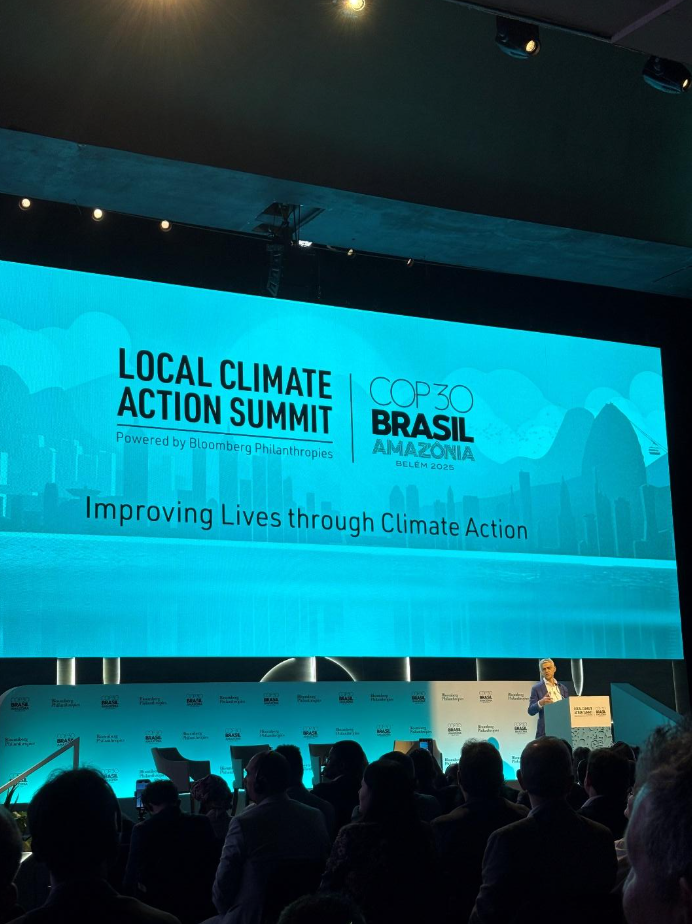
The only student amongst mayors and academics for a panel on the Breathe Cities Accelerator in Rio’s Museum of Modern Art, I was immersed in the future of climate action. The Mayor of Sofia celebrated his city’s successful clean air zone, tackling pollution from transportation, traffic, and home furnaces. London’s Deputy Mayor for Environment and Energy heralded his city’s ultra-low emission zone that reduced pollutant concentrations to below regulatory limits over a hundred years ahead of schedule, a deeply personal success as he grew up in one of the city’s most polluted corridors. While the residents and industries may differ from Accra to Warsaw, the monitors and policies needed to track and regulate them are often the same. With funding from the accelerator, these cities – and 12 others – took on local air pollution, and seemed to win.
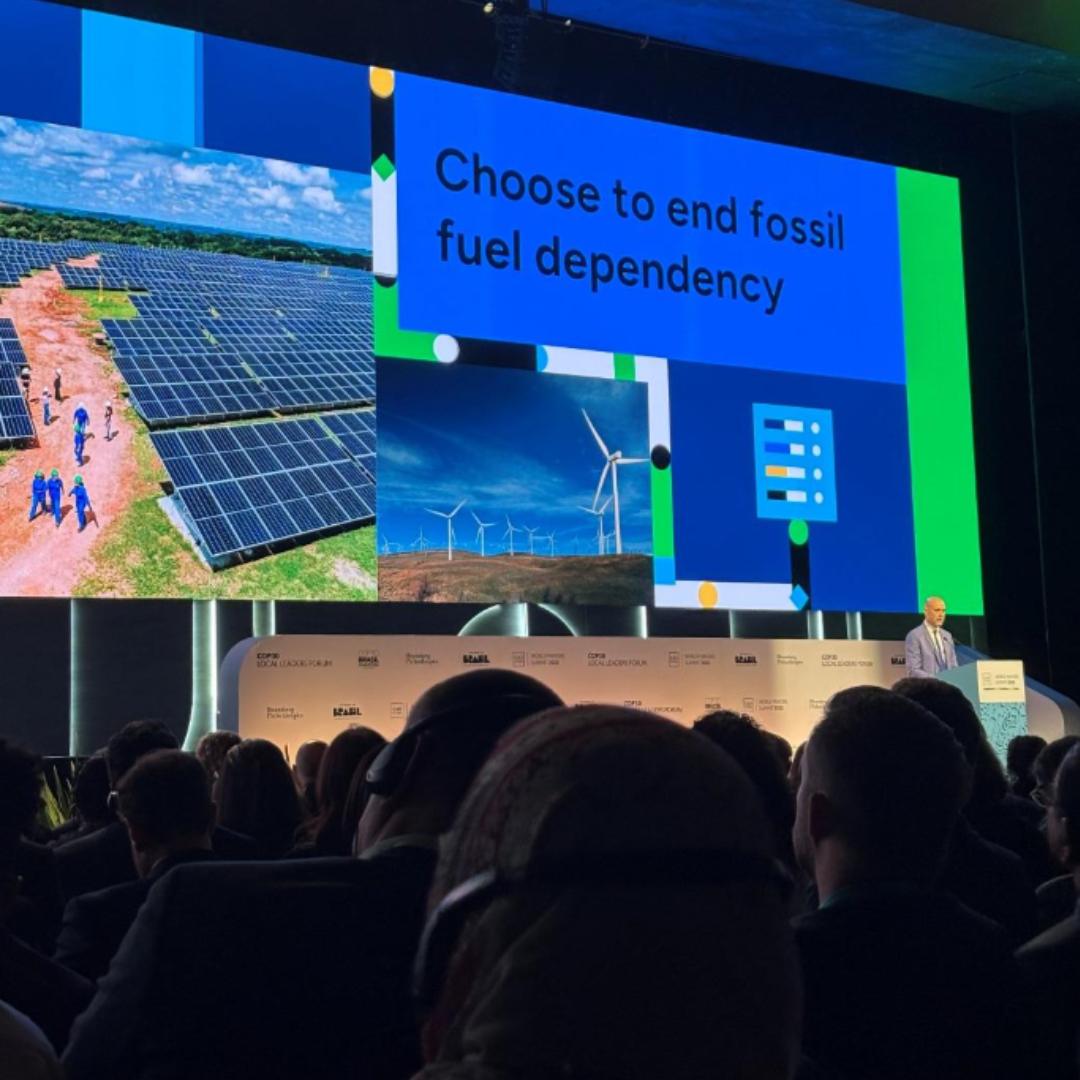
This panel was just one example of how the World Mayors Summit and Local Leaders Forum in Rio represented a new type of climate commitment. Instead of lofty goals or book-length agreements without legal teeth, C40 Cities – the event’s co-organizer with the UN and Bloomberg Philanthropies – requires member cities to submit yearly “offers of action.” From Rio’s commitment to creating its own Low-Emissions District to Paris’s promise to retrofit 29,000 properties with energy-efficient technology, these specific, measurable goals are global climate action that works.
I expected my flights to Belém to bring me into the less hopeful world of concessions and procrastination, but I quickly realized that what I saw in Rio was tiny compared to the new partnerships and conversations started amongst COP’s over 50,000 attendees. While negotiators hit roadblocks over word choice and the strength of financial commitments, progress was happening in the panels and private rooms of the UN-sanctioned Blue Zone.
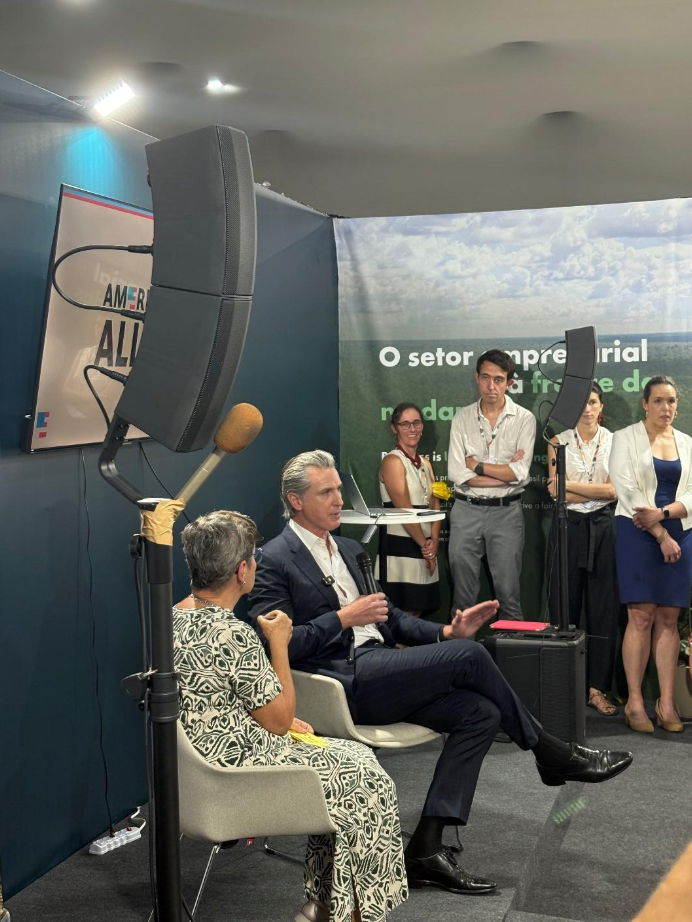
Even though the US was absent from COP for the first time in history, states continued to share their expertise. California Governor Gavin Newsom announced a new partnership with Brazil’s Pará State to address growing wildfire threats. Leaders from the Sustainable Energy & Environment Coalition discussed how New York’s government has started helping small island states cope with sea level rise after USAID’s programs were dissolved. Outside the US, though negotiations on carbon markets stalled, countries like Norway and Germany pioneered partnerships with rainforest nations, creating a financial incentive to keep forests like the Amazon standing.
I was reminded of my time at NC BREATHE in October of 2025. We can look around North Carolina to see how community education and partnership can overcome some of the biggest challenges to environmental justice.
Through the CleanAIRE Academy, CleanAIRE NC is giving communities the tools they need to advocate for policies that will protect their health. As EJCAN (Environmental Justice Community Action Network) Director, Sherri White-Williamson, explained her organization’s community benefits agreement with GFL (Green for Life) and the Sampson County Landfill, pens were flying from advocates across the state interested in reducing pollution and addressing environmental and economic injustices in their own communities. The Spidey Sens-r project spearheaded by NCEJN (North Carolina Environmental Justice Network) brings community members of all ages into the field to collect spider webs that can help them measure pollutants from coal ash ponds, landfills, and wood pellet facilities.
Reflecting on these stories, I was struck by the consistency. Whether we learn from our neighbors in other countries, or in the next city over, we can make a real impact when we prioritize collaboration, and participate in building the solutions that best fit our communities.
One of the most powerful moments from my time in Brazil came at the end of the first plenary in Rio. The lights went dark, and six youth advocates no older than me took the stage, sharing photos from their childhoods showcasing the impacts of rising seas and extreme heat on their homes in communities from Nairobi to London. Over the next three days, the power of their stories kept coming up. Former Los Angeles Mayor Eric Garcetti praised them in his discussion of how we build climate commitments into all city agencies, not just sustainability departments. Mayor Rafał Trzaskowski of Warsaw shared how stories like theirs helped bring together constituents from across the political spectrum to support his climate policies, despite Poland’s right-leaning political trends.
Listening to how small island developing states negotiated in Belém brought forward the importance of grounding our policies in these stories. While big players like the EU, Saudi Arabia, and China argue over semantics or call for weaker language, nations like Fiji and Tuvalu are already sinking and need support now. Outside the negotiating room, this urgency felt most obvious to me on the conference’s health day when representatives from the UN and World Health Organization took a moment to mourn the lives lost due to climate change. Every death from hurricanes, extreme heat, and other natural hazards is more than a number; it represents a grieving family and grieving community.
From the importance of storytelling to a reminder to look to our peers for solutions, my time in Brazil proved that action to address climate change and environmental justice is possible. While they are challenges for communities across the globe, solutions begin and end at the local level. Grassroots organizers call for change and build systems of care for each other. Municipal governments innovate despite opposing approaches from their national governments. Ultimately, they work together toward offering a climate-driven alternative future. As a student in the U.S. who wants to spend my career creating a more healthy, equitable, and sustainable world, I left Brazil feeling hopeful at the opportunity for future community-led advocacy and innovation.