FOR IMMEDIATE RELEASE
October 8, 2026
MEDIA CONTACT
Andrew Whelan, CleanAIRE NC, (919) 229-9293, [email protected]
GASTON COUNTY, N.C. — CleanAIRE NC expresses serious concern over the proposed Carolina Lithium mine and processing facility in Gaston County. The project threatens to introduce significant air pollution, elevate greenhouse gas emissions, and pose severe risks to local groundwater and soil quality in surrounding communities already facing environmental burdens.
NC DEQ’s Division of Air Quality (DAQ) will hold a public hearing on Tuesday, October 13, to consider public input on the draft air quality permit for the facility. Written public comments will be accepted through Friday, October 16.
“This draft permit opens the door to substantial air emissions that directly endanger the health and well-being of Gaston County residents,” said Jeffrey Robbins, Executive Director of CleanAIRE NC. “While we recognize the commercial value of lithium as a component of reusable batteries, we urge NC DEQ to carefully consider the full impacts of the proposed permit and ensure that protecting public health remains the highest priority. The project should move forward only if rigorous protections for clean air, safe drinking water, and community health are in place.”
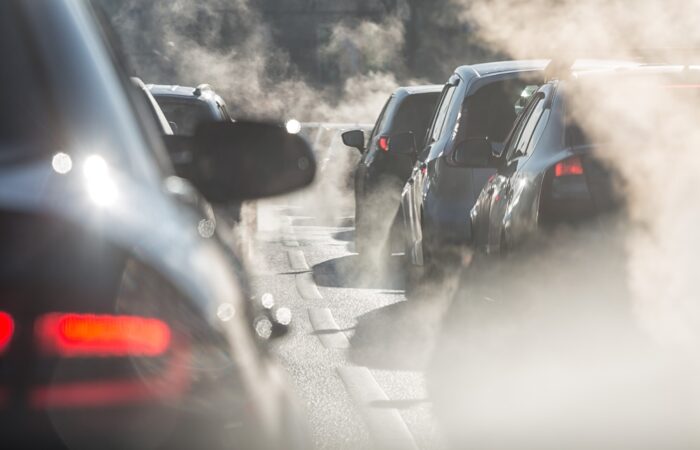
The proposed mine and processing operations would release harmful air pollutants such as particle pollution, nitrogen oxides, and carbon monoxide. These pollutants can exacerbate respiratory illnesses, cardiovascular disease, cancer, and other chronic health conditions. The extraction and chemical processing methods would also generate substantial greenhouse gas emissions, undermining North Carolina’s climate commitments and clean air goals.
Heavy metals from the mining process can also contaminate groundwater and soil, posing severe risks to local aquifers, private wells, and agricultural land. Local communities in Gaston County already face cumulative environmental stressors. Granting an air permit would further burden residents who bear the brunt of industrial pollution.
Any air quality permit considered by NC DEQ must incorporate rigorous safeguards to minimize community exposure and harm and to prioritize community input, including wastewater recycling, commitments to land reclamation, renewable energy integration, and dust and particulate containment systems. Yet even with these protections in place, CleanAIRE NC emphasizes that it is impossible to extract lithium from the ground without major impacts on the surrounding air, water, and land.
NC DEQ Public Hearing:
Written Comments:

Over the next several months, CleanAIRE NC will also work with community members to install a network of community-operated air quality monitors. The monitors will provide residents with real-time, hyperlocal information about particulate matter in the air around them. Beginning monitoring before construction will give residents a locally collected baseline that can be used to track air quality over time as development moves forward.
###
CleanAIRE NC is a statewide nonprofit organization advocating for the health of all North Carolinians by pursuing equitable and collaborative solutions that address climate change and air pollution.