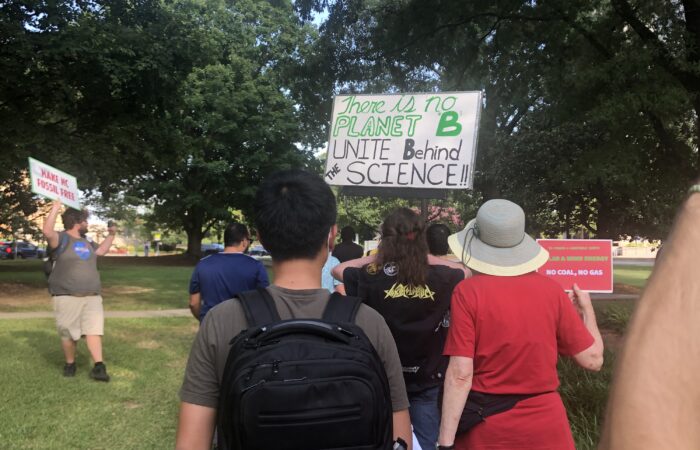
CleanAIRE NC urges the public to speak out against the EPA’s proposed rules. A 45-day public comment period for this EPA rule is open until November 2nd, 2026. Guidelines and processes for submitting public comments can be found here.
We’re also keeping a watchful eye on state policy. The North Carolina Utilities Commission is expected to make a decision on the Duke Energy Carolina Resources Plan by the end of the year, while Senate Bill 730 is close to crossing the finish line. We call on the Commission and the General Assembly to evaluate the full costs of energy choices, including their effects on air quality, climate pollution, electricity affordability, and community health, and to make smart investments in our future.
On September 14th, 2026, the Trump administration’s EPA eliminated carbon pollution standards finalized under the Biden Administration for coal and natural gas-fired power plants. The 2024 Carbon Pollution Standards required power plants to reduce their emissions by installing carbon capture and sequestration (CCS) technology by January 1st, 2032.
The administration argues that eliminating these standards would provide $310B in cost savings from 2026 to 2047. But that figure tells only part of the story. The Biden EPA previously estimated that the standards would deliver $370B in net health and climate benefits over the same timeframe.
In other words, the administration is emphasizing the projected costs of reducing carbon pollution while dismissing the potential benefits of doing so. In its September 2026 announcement, EPA argues that because greenhouse gas emissions have global effects, “any potential public health harms are too uncertain, conjectural, remote, and convoluted to tie specifically to the U.S. power sector.”
CleanAIRE NC disagrees with this approach. The costs of climate pollution do not disappear simply because they extend beyond the boundaries of a single power plant. Rolling back these protections will have far-reaching consequences for North Carolina’s climate, air quality, economy, and public health.
To understand what this decision really means, and what we can do about it, we need to look past the EPA’s touted savings figure and examine how federal energy policy impacts our state.
One of the EPA’s central arguments for eliminating the standards is the growing demand for electricity from data centers. The 2026 power sector looks very different than it did two years ago. A recent analysis from Goldman Sachs projects that electricity demand from data centers will double by 2027. The EPA argues that building and extending the life of fossil fuel power plants is the cheapest and quickest way to meet this growing demand.
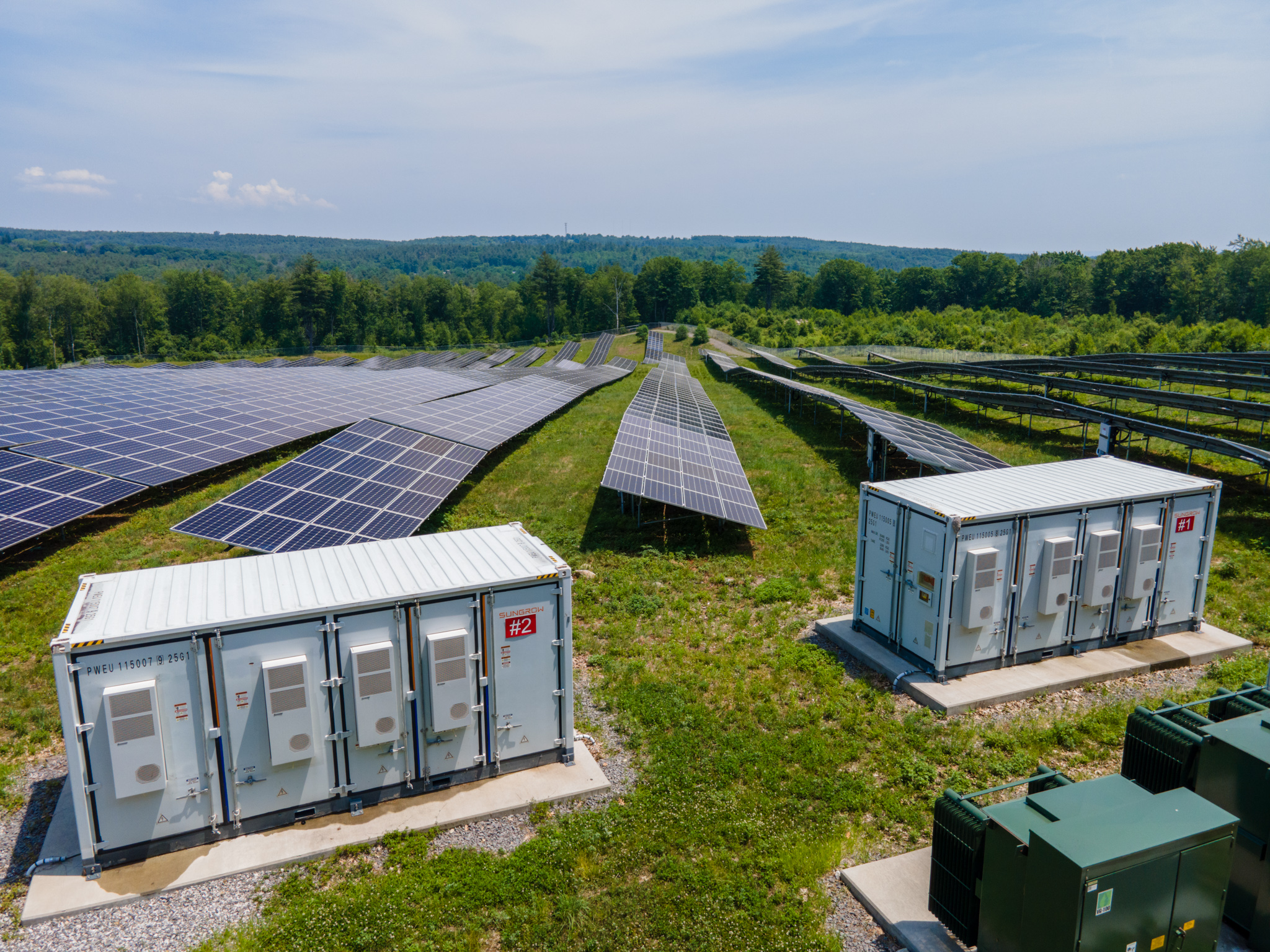
Meeting that demand is a legitimate challenge. While costs are declining, renewable energy and battery storage systems can struggle to compete with fossil fuel generation at the massive scale that data centers need. CCS is also an emerging technology with significant costs and implementation hurdles.
But these challenges raise an important question: Why roll back pollution standards while simultaneously withdrawing support for alternatives that could help reduce emissions?
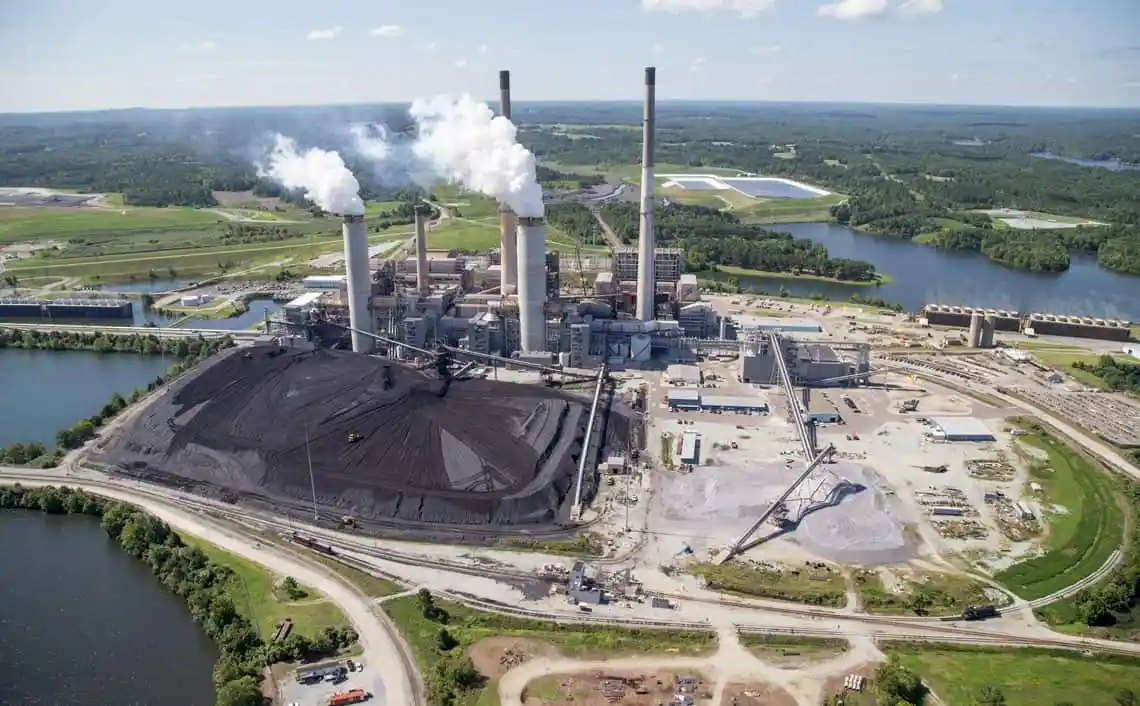
In 2025, President Trump signed the One Big Beautiful Bill Act (OBBBA), which aggressively phased out federal tax credits for solar, wind, and hydrogen power generation. The Department of Energy also cancelled a $540M demonstration project to retrofit a natural gas power plant with carbon capture technology.
These decisions matter. When policymakers reduce incentives for clean energy and cancel projects intended to advance lower emission technologies, they can make it harder for cleaner alternatives to compete. Rolling back pollution standards at the same time further reduces the pressure to invest in technologies that limit carbon emissions.
Similarly, the Trump administration’s cost savings rationale for clean energy tax credits does not add up. The White House praised the OBBBA for ending what it described as “market distortions and costs imposed on taxpayers by so-called ‘green’ energy subsidies.” Yet the legislation also authorized or extended major federal tax benefits to oil and gas production, including a 2.5 percent coal production incentive, a 20 percent business income deduction, and a $1B fund to subsidize oil, gas, and coal development. All told, independent analysts estimate the fossil fuel industry stands to collect over $190B in tax breaks and subsidies over the next ten years.
So if the goal is to reduce costs for taxpayers, how does it make sense to prop up fossil fuel interests with taxpayer dollars? Especially as clean energy alternatives become cheaper each year while fossil fuels are trending in the opposite direction.
There is a clear link: A September 2026 Senate report estimates that the oil and gas industry contributed $200M to support Trump and Republican lawmakers in the 2024 election. These connections warrant scrutiny as policymakers make decisions that will shape the nation’s energy system for decades.
The EPA’s cost calculations also ignored the overwhelming health and environmental costs of fossil fuels on everyday people. The targeted Biden-era rules were estimated to save $370 billion in net climate and public health costs through 2047. Erasing the Biden-era standards won’t save money. It simply transfers the financial burden from corporate polluters onto the backs of patients, families, and ratepayers.
For North Carolina, the stakes are significant. Changes to federal regulations and incentives can influence the infrastructure built here, the pollution our communities experience, and the long-term costs of meeting the state’s electricity needs.
Following the passage of the OBBBA, Duke Energy filed its Carolina Resources Plan (i.e. the Carbon Plan) outlining significant new fossil fuel infrastructure, including five new combined-cycle gas plants, seven combustion turbines, and plans to extend the use of both coal and liquid natural gas (LNG). Eliminating federal carbon reduction targets will only pave the way for Duke Energy to pursue further fossil generation.
These investments can have consequences that extend well beyond the power sector. Burning fossil fuels releases air pollutants that can harm human health, while carbon dioxide emissions accelerate climate impacts. North Carolina communities already face interconnected challenges from air pollution, extreme heat, and other climate-related risks. Choices about the state’s energy future will help determine our ability to face these challenges, and who will bear the greatest burden.
State policy is moving in a similar direction. In 2025, the North Carolina General Assembly passed Senate Bill 266, eliminating the state’s 2030 carbon reduction goal. Meanwhile Senate Bill 730, which has passed the state House and is awaiting final Senate confirmation, proposes to extend the operation of coal-fired power plants until uneconomic nuclear energy (and only nuclear energy) can replace it.
That future is not inevitable. Policymakers still have choices about how to meet electricity demand, protect public health, and plan for the state’s long-term energy needs. However, those choices must be guided by a transparent accounting of costs and benefits, not by a narrow focus on which industries come out on top.
Government investment is an effective tool for economic growth and prosperity. Support for the fossil fuel industry is not fiscally responsible and public policy should not be tied to political campaign donations. We should instead be investing in a sustainable future.