The North Carolina Utilities Commission recently approved several major Duke Energy proposals that will shape the state’s energy future, including its 2025 Consolidated Carbon Plan and Integrated Resource Plan (also called the “NC Carbon Plan”) and residential electricity rate increases. Together, these decisions raise important questions about who will bear the long-term costs of North Carolina’s growing energy demands, the state’s continued reliance on fossil fuels to meet those demands, and the health impacts of electricity generation on local communities.
The Commission also established the first large load tariff for data centers—a set of rates that these companies must pay to connect to the electricity grid as well as contract provisions that offer protection to residential ratepayers from financial risks of growing data center demand. While these are positive first steps, the Commission’s decisions on the Carbon Plan and residential rate hikes authorize significant new fossil fuel generation and higher electricity bills for households across the state. These outcomes underscore the need for a more forward-looking energy strategy that prioritizes affordability, clean energy, and the well-being of North Carolina communities.

The Utility Commission’s approval of Duke Energy’s Carbon Plan authorizes approximately 3,841 megawatts of new natural gas generation between 2030 and 2033 and extends the operating timelines for coal-fired power plants previously approved for retirement in 2024. The plan also authorizes additional investments in solar, battery storage, and potential nuclear generation.
CleanAIRE NC welcomes the plan’s investments in clean energy and storage. However, continued reliance on coal and natural gas risks locking North Carolina into decades of high infrastructure, health, and climate costs. Fossil fuel power plants release air pollutants that contribute to respiratory illness and other health problems, while their greenhouse gas emissions accelerate climate change.
These decisions are particularly concerning given the rapid growth in electricity demand from data centers and the changing federal energy policy landscape. Data centers are expected to account for nearly 80% of Duke Energy’s projected electricity demand growth through 2050. At the same time, the 2025 One Big Beautiful Bill Act phases out federal tax credits for solar and other clean energy technologies, potentially making it more difficult for clean energy alternatives to compete. In explaining its plans for new fossil fuel generation, Duke Energy acknowledges that “changes in federal regulations and tax credits…provide flexibility for existing coal and new natural gas generation.”

Extending the life of coal plants and committing billions of dollars to new natural gas infrastructure to serve data centers will add higher costs and continued pollution. North Carolinians should be left bearing the health and climate costs associated with meeting the energy demands for large industrial customers. We need a more forward-looking approach that prioritizes clean energy, energy efficiency, and investments that benefit customers and communities.”
The Commission also approved Duke Energy’s requested residential rate increases, meaning that households across North Carolina will see their electricity bills rise by approximately 9% over the next two years.
Starting on January 1st, 2027, customers in eastern North Carolina, Raleigh, and Asheville will see a 9.3% increase, while customers in western North Carolina, Durham, and the Triad will see a 9.5% increase.
These increases are substantially lower than what Duke Energy originally sought. Earlier this year, Duke initially proposed an 18% rate increase for residential customers. Following months of public opposition, community pressure, and advocacy from organizations including CleanAIRE NC, Duke significantly reduced its request. But a smaller rate increase does not necessarily mean an affordable one. Even after these reductions, the rate hikes approved by the Utilities Commission will still add to the financial strain facing North Carolina families.
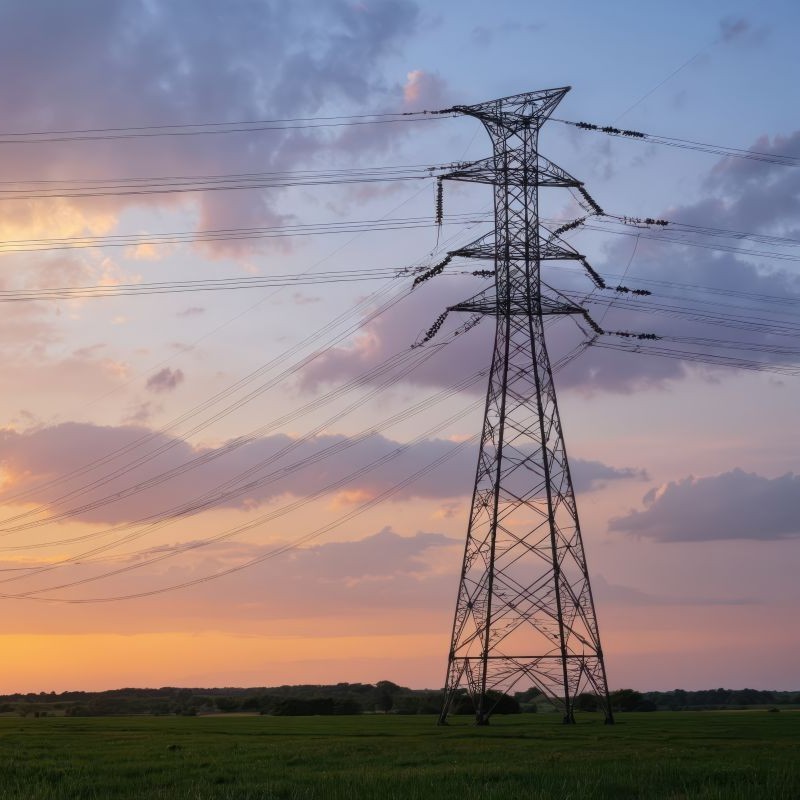
Duke Energy says that the increases will support an $8.3B investment plan focused on transmission and distribution infrastructure, grid resilience against extreme weather, and new electricity generation. While utilities need resources to maintain and modernize the infrastructure that serves customers, these increases come as households continue to face rising costs for essential goods and services, while Duke Energy reports billions in profits. The company made $3.4B in net profit in 2025 across its North and South Carolina operations.
The Commission’s decision also raises concerns about assistance for customers already struggling to afford their electricity bills. Although it approved $20 million in shareholder-funded assistance for customers in need, it also declined to renew Duke Energy’s existing Customer Assistance Program, which provides monthly bill credits to more than 87,000 low-income customers.
As electricity demand continues to grow, North Carolina must ensure that the costs of expanding and maintaining the power grid are distributed fairly. Residential customers and low-income households should not be left shouldering an inequitable share of these costs.
One positive development in the Commission’s decisions was the establishment of new requirements for data centers with electricity demands exceeding 50 megawatts. These provisions are intended to ensure that large electricity customers help cover the infrastructure costs associated with serving them.
The new rules require data centers to provide upfront deposits towards grid upgrades, pay for at least 75% of their projected electricity demand even if they use less, and assume greater financial obligations if they terminate their contracts early.
These measures represent an important first step toward protecting residential ratepayers from the costs and financial risks associated with rapidly growing industrial electricity demand. However, additional safeguards are needed to ensure that large energy users pay their fair share of infrastructure costs and take responsibility for the broader impacts of their energy consumption. North Carolina should also pursue policies that encourage data centers to invest in clean energy and storage rather than relying primarily on new fossil fuel plants.
“CleanAIRE NC applauds the Utilities Commission for taking initial steps to protect residential ratepayers, but greater clarity is needed on how much data centers will actually contribute toward infrastructure upgrades. State leaders must also establish incentives, rules, and requirements that encourage data centers to invest in clean energy.”
The year ahead presents new opportunities for CleanAIRE NC, our members, and our community partners to advocate for an energy system that protects public health and supports a stable climate.
As outlined in our post-election statement on our 2027 policy priorities, changes in North Carolina’s legislative landscape create new pathways to advance policies that promote clean energy, preserve the state’s greenhouse gas reduction targets, protect customers from unfair electricity costs, and strengthen statewide safeguards for communities facing data center development.
The Utilities Commission has agreed to seek input from energy industry stakeholders on how Duke Energy will calculate data center infrastructure cost obligations in 2027. CleanAIRE NC is also urging the Utilities Commission and the General Assembly to require Duke Energy to expand opportunities for residential, commercial, and industrial customers to adopt energy-efficient technologies and install and interconnect distributed solar and battery storage systems. These investments can help reduce electricity demand, expand access to cleaner energy, and give customers more control over their energy costs.
Additionally, any new fossil fuel generating facilities must also obtain a Certificate of Public Convenience and Necessity from the Utilities Commission and secure the necessary local zoning approvals before construction. Decision-makers must carefully evaluate the local environmental and public health impacts of dirty power generation, consider the communities that will be affected, and give meaningful consideration to cleaner alternatives.
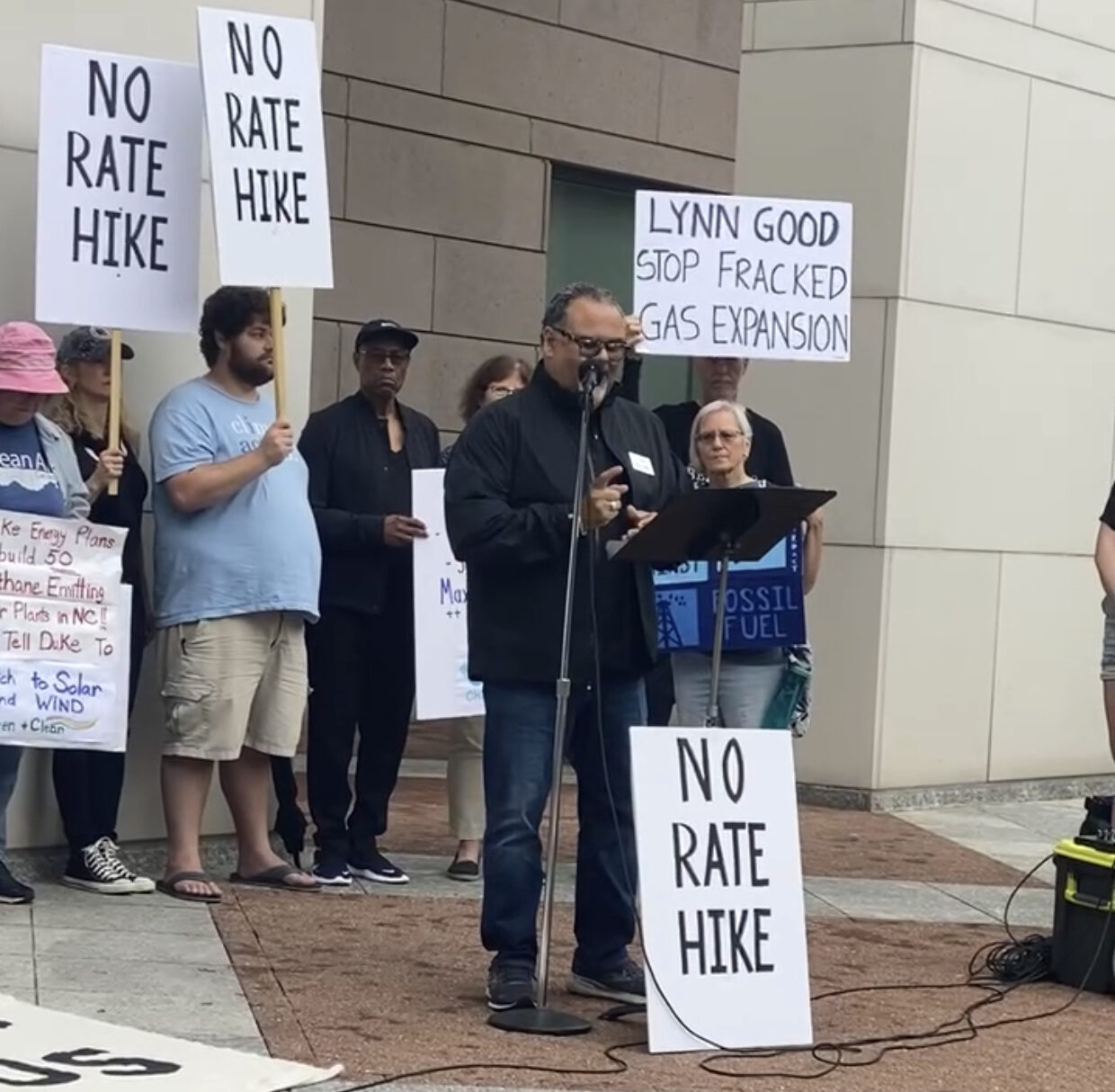
CleanAIRE NC encourages North Carolinians to stay engaged and voice their concerns at every level of government. Public forums and regulatory proceedings provide opportunities to submit comments and deliver testimony directly to decision-makers. Stay tuned for further updates and consider signing up for volunteer opportunities with CleanAIRE NC to get involved in our work.