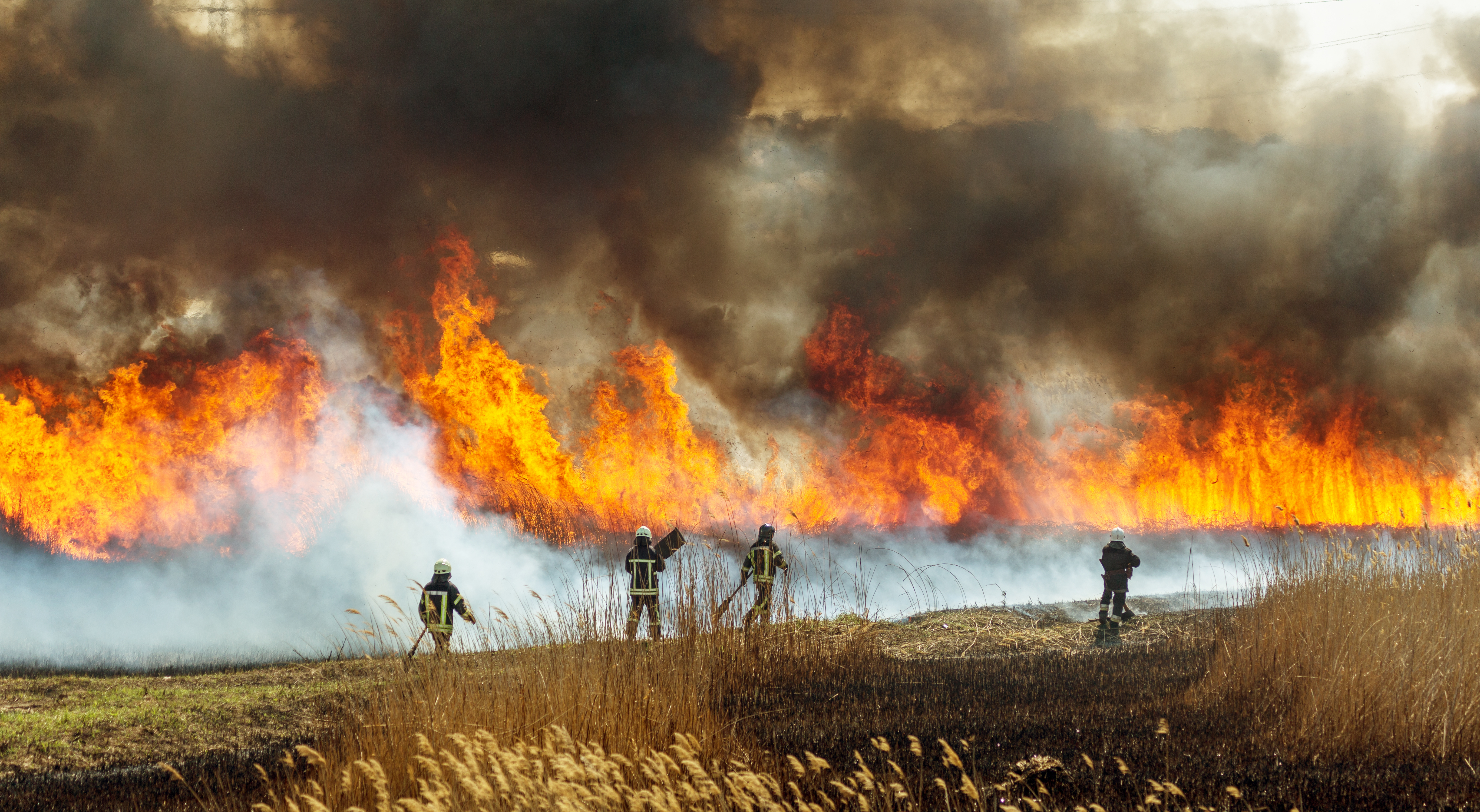
As the warmth of summer approaches in North Carolina, so too does the heightened risk of wildfires. We’ve already seen this reality take hold in recent weeks with ongoing fires in areas like the Croatan National Forest and Brunswick County.
Fortunately, thus far, the local air quality has largely remained unaffected by these early wildfires. Favorable weather conditions, including rain and wind direction, have played a significant role in dispersing smoke and preventing widespread impacts.
However, it’s essential to remember that this can change rapidly. The dynamic nature of wildfires and smoke dispersion requires us to stay informed and prepared as we move into the heart of the summer season.

Wildfire smoke is a complex mixture of gases and fine particulate matter—tiny particles that can travel deep into our lungs and cause significant health problems, especially for sensitive groups like children, older adults, and those with respiratory or heart conditions. Even distant wildfires can impact air quality, as smoke plumes can travel hundreds of miles depending on weather patterns.
Knowing where to find reliable information is the best way to protect your health during wildfire season. Here are some important resources and tips:
On June 3, 2025, CleanAIRE NC will launch a new comprehensive platform that combines scientific data with community context. Through the AirKeeper Dashboard, users can visualize both immediate and long-term air quality challenges specific to the places and people they care about.
For real-time updates on air quality and wildfire status, check your local PurpleAir Sensor via the PurpleAir map on our Community Science page.
Understand what the different AQI levels mean and what precautions to take at each level. “Good” and “Moderate” are generally acceptable, but higher levels (“Unhealthy for Sensitive Groups,” “Unhealthy,” “Very Unhealthy,” and “Hazardous”) require increased caution.
This is a national website that provides real-time air quality information from monitors across the country, including North Carolina. You can check the Air Quality Index (AQI) for your specific location.
The DAQ website provides detailed air quality data, forecasts, and information specific to North Carolina.
Stay tuned to your local news outlets and emergency management agencies for updates on wildfires and any related air quality advisories.

Staying informed is the first step. Being prepared with practical strategies is the next.
Taking proactive steps now can significantly reduce your risk of exposure and help you protect your health if wildfire smoke does impact our air quality. Here are some important actions you can take to stay prepared:
✔ Have a Plan: If you or someone in your household is sensitive to smoke, have a plan in place for where you can go if air quality deteriorates (e.g., a room with an air purifier and closed windows) and for how you can limit outdoor activities.
✔ Stock Up on Supplies: Consider having a supply of high quality masks or respirators (e.g. N95 or P100) on hand, especially if you are sensitive to smoke. These respirators, when properly fitted and used, can filter out fine particulate matter.
✔ Improve Indoor Air Quality: If smoke is present, keep windows and doors closed. Use air conditioners on the recirculate setting to prevent outside air from entering. If you have an air purifier, use it to help improve your indoor air quality. Please be sure your air purifier is HEPA (high efficiency particulate air) approved.
✔ Be Aware of Symptoms: Pay attention to any symptoms you or your family members may experience, such as coughing, shortness of breath, wheezing, or chest tightness. If you have concerns, contact your healthcare provider.
While we hope for a wildfire season with minimal air quality impacts, being prepared is the most effective way to protect ourselves and our loved ones. Stay informed, utilize the resources shared, and remain aware of conditions in your area. CleanAIRE NC will continue to provide updates and resources as needed.