Exploring Solutions for Heat Mitigation in High Exposure Areas

CleanAIRE NC & NC Public Health Association Releases Report on Heat Mitigation Strategies

This past Summer, CleanAIRE NC collaborated with the NC Public Health Association to gather community insights on heat mitigation solutions for high-exposure areas in Charlotte, North Carolina. By bringing together healthcare workers, emergency responders, and community members, we aimed to improve quality of life through effective strategies.

Rising temperatures disproportionately affect vulnerable populations in the Queen City and can have serious health and economic consequences. We believe that community-driven insights are essential to developing effective, equitable solutions.

Let’s beat the heat together!
  • Faith CommunityThis focus group brought together faith leaders and active members of faith-based communities to explore how extreme heat impacts their congregations and neighborhoods.
  • Healthcare ProvidersWe invited medical professionals, including MDs, Nurse Practitioners, Physician Assistants, Registered Nurses, Maternity Care Nurses, and Doulas, to share their perspectives on the health impacts of extreme heat. The group discussed challenges faced by patients and the healthcare system, and collaborated on actionable strategies for heat mitigation and public health interventions.
  • Emergency ServicesThis focus group included first responders serving in high-heat exposure areas, including EMTs, firefighters, police, and public safety officials, and anyone who has responded to heat-related incidents. We discussed their experiences, the challenges they encounter, and their unique insights into improving community preparedness and response strategies for extreme heat events.
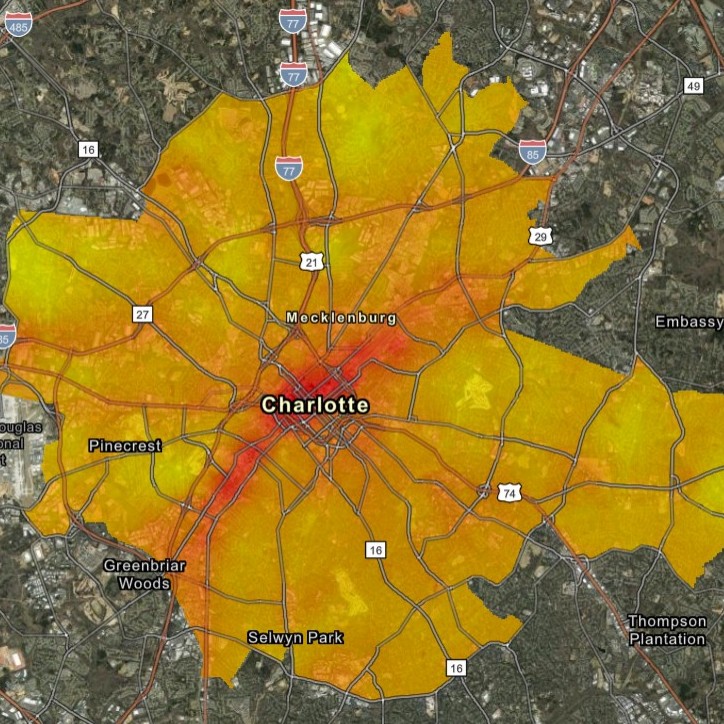
  • Impacted Community MembersThis focus group was for community members directly impacted by extreme heat. The group included individuals who live in areas often called "heat islands," which typically have low tree canopy, a high concentration of concrete, and little to no relief from heat in the evenings. They shared their lived experiences, the daily challenges faced, and ideas for effective local heat mitigation solutions.

Participants described how excessive heat disrupts daily life, alters work schedules, and limits outdoor activity. Health concerns such as heat exhaustion and heat stroke were common, and many households face higher energy bills as air conditioning use rises. Emergency responders confirmed a growing number of heat-related calls, particularly involving the elderly, young children, and residents of low-income neighborhoods. Healthcare providers highlighted that many patients struggle to recognize early signs of heat-related illness, further increasing risk.