Recent federal exemptions for increased protections against ethylene oxide pollution are putting families and communities at unnecessary risk.
Ethylene oxide is a colorless gas commonly used to sterilize medical equipment. It is also a powerful carcinogen. Yet despite widely available technology and measures that can drastically reduce ethylene oxide pollution, the federal government is allowing local facilities to keep pumping this toxin into our neighborhoods for another two years.
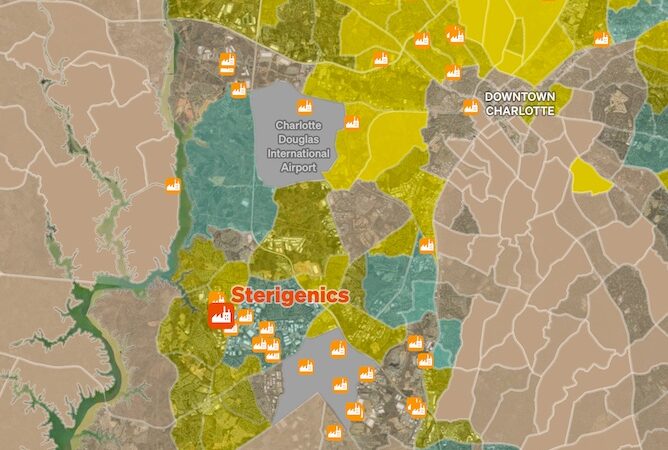
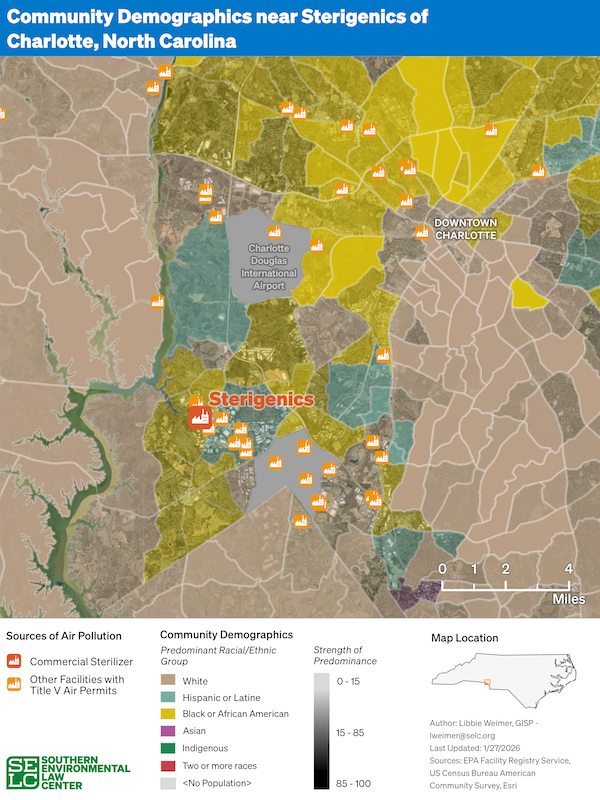
This includes Charlotte’s Sterigenics facility, located near primarily Black and Brown communities. Now CleanAIRE NC has joined a broad coalition to challenge these exemptions. Together we’re suing the federal government to keep cancer-causing ethylene oxide out of our neighborhoods.
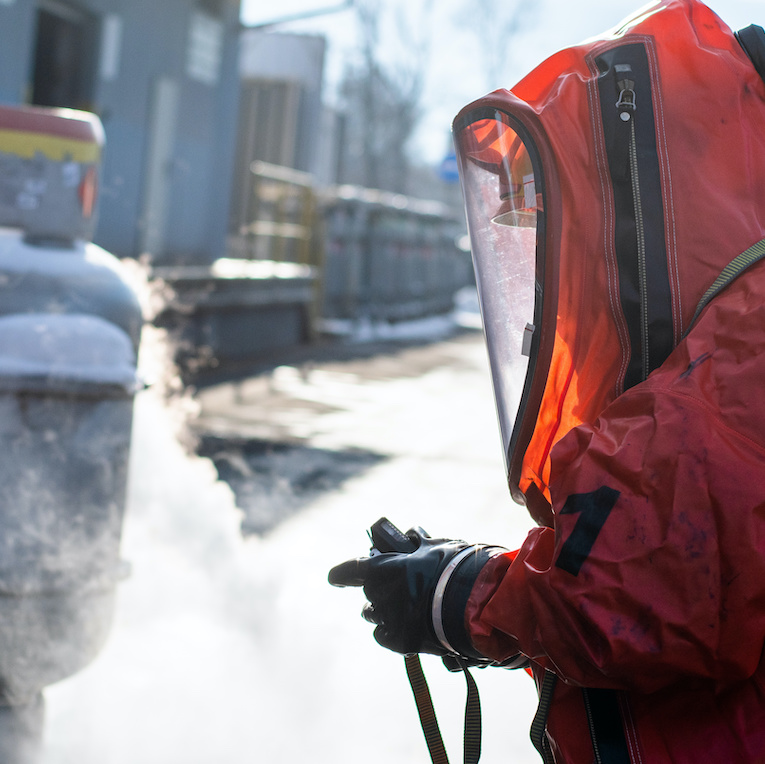
Ethylene oxide (EtO) is a man-made, flammable gas. Because it is highly effective at killing bacteria and viruses without damaging delicate materials, it is used to sterilize approximately 50% of all sterile medical devices in the U.S., such as catheter tubing and wound dressings.
The science is clear: the National Institutes of Health (NIH) classifies EtO as a known human carcinogen. And in 2024, the EPA confirmed that this pollutant is 60 times more toxic than previously understood.
Many of the commercial sterilizers using EtO are located in residential areas, quietly emitting a colorless but extremely toxic chemical next to homes, schools, daycares, places of worship, and other public facilities.
The danger isn’t theoretical. In 2019, the Sterigenics facility in Willowbrook, Illinois, was forced to close after assessments showed nearby residents faced cancer risks up to ten times higher than the national average.
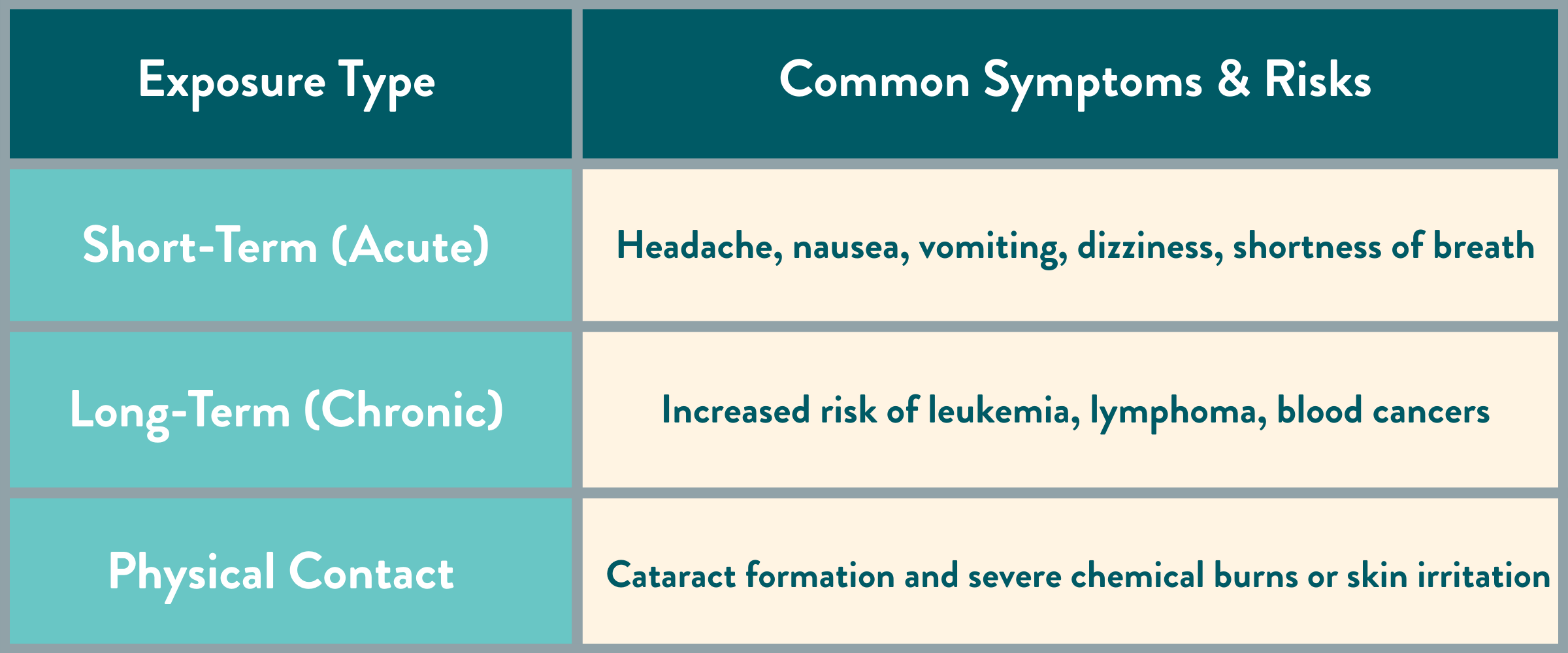
Ethylene oxide typically enters the body through inhalation. Because it survives in the air for two to five months, it can travel far beyond the facility where it was created or used.
Workers in industries that manufacture or use ethylene oxide, such as sterilization plants, hospitals, and chemical production facilities, are often at the highest risk of exposure. The Department of Labor has established workplace exposure limits (no more than 1 ppm of EtO over 8 hours) to protect employees, but these safeguards require strict engineering controls to be effective.
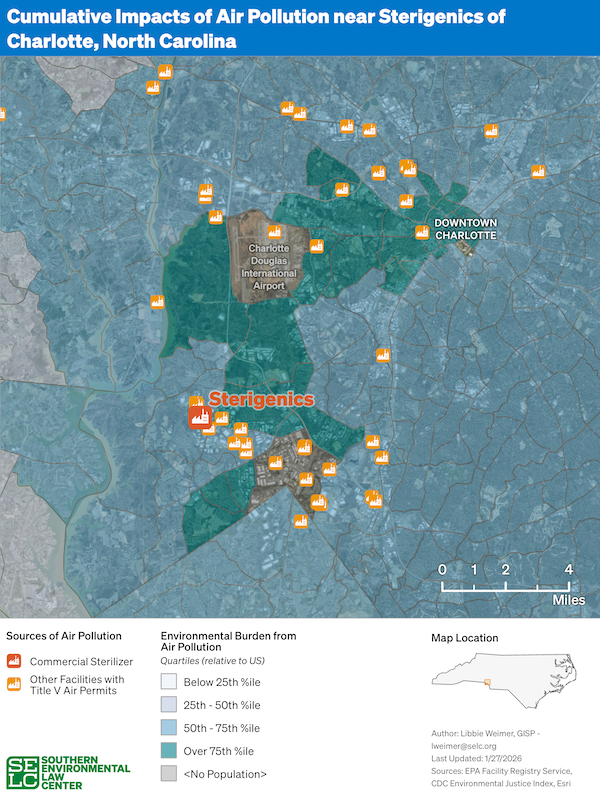
Families living near sterilization plants or chemical facilities can also breathe in low concentrations of EtO continuously. This long-term exposure can affect entire neighborhoods, including children, older adults, and other sensitive populations.
In 2024, the EPA finally moved to strengthen EtO regulations, requiring facilities to adopt proven, affordable pollution-control technologies after extensive public input and comment and peer reviews by experts. This 2024 rule has been shown to reduce EtO emissions by over 90% and to reduce cancer risk by 92%.
The EPA found that the 2024 rule would reduce the number of children facing lifetime cancer risks from sterilization facilities of more than 1-in-1 million from 1.25 million children to 162,300 children. The number of children facing risks of greater than 100-in-1 million would drop from 4,300 children to zero children.
Unfortunately, the current administration is allowing dozens of facilities to bypass the strengthened emissions control requirements required under the 2024 rule. The Trump administration is offering two-year renewable exemptions from the strengthened requirements for 40 sterilizer facilities nationwide, nine of which are located in North Carolina, Virginia, Tennessee, and Georgia.
Many of the exempted facilities were already capable of meeting the higher standards, but are now being told they don’t have to. All these facilities are located near residential neighborhoods, often in low wealth areas and communities of color.
CleanAIRE NC’s mission has always been clear: to ensure every North Carolinian has the right to breathe clean air. When the government refuses to enforce its own safety standards, we have a responsibility to act. That’s why we’re taking a stand.
Our litigation is powered by the communities we represent. If you live near the Sterigenics sterilization facility in Charlotte (or near a warehouse storing EtO-treated equipment) and want to share your story or stay updated on the case, please complete this short form.