by Daisha Williams In the small rural town of Anderson (population 1,656) on the Alamance-Caswell County line, a community is fighting against increased industrial activities from Carolina Sunrock LLC for an operating asphalt and cement plant. This fight is not new to the residents of Anderson, who have been pushing back against Sunrock for years. ...
FOR IMMEDIATE RELEASE January 7, 2022 MEDIA CONTACT Andrew Whelan, CleanAIRE NC, (919) 408-7031, [email protected] Governor Cooper Takes Historic Executive Action on Environmental Justice RALEIGH, N.C. – Today Governor Cooper announced an Executive Order on Climate Change and Environmental Justice, taking a major step towards addressing long-standing environmental inequities in historically disadvantaged communities. As part...
Methyl bromide is an incredibly dangerous air pollutant. Exposure to methyl bromide can damage our eyes, skin, lungs, kidneys, and central nervous system. Yet despite the risks, this neurotoxin is commonly used through eastern North Carolina at log fumigation plants, endangering the health of the communities that surround these facilities. CleanAIRE NC worked for several...
by Ulla Reeves Every year, over 12 million people visit North Carolina’s most treasured natural area, Great Smoky Mountains National Park. Despite it being our region’s most iconic natural area, and the most visited national park in the United States, the Smokies are constantly facing threats from air pollution. The people visiting and enjoying the...
Daisha Williams is an environmental advocate with a long-established interest in environmental equity, community involvement, and educating those around her about many environmental topics. In previous roles, Daisha was a Stormwater Specialist and Educator for a municipal stormwater partnership, a Legislative Assistant for an environmental council in Seattle, as well as Donor Communications Assistant for...
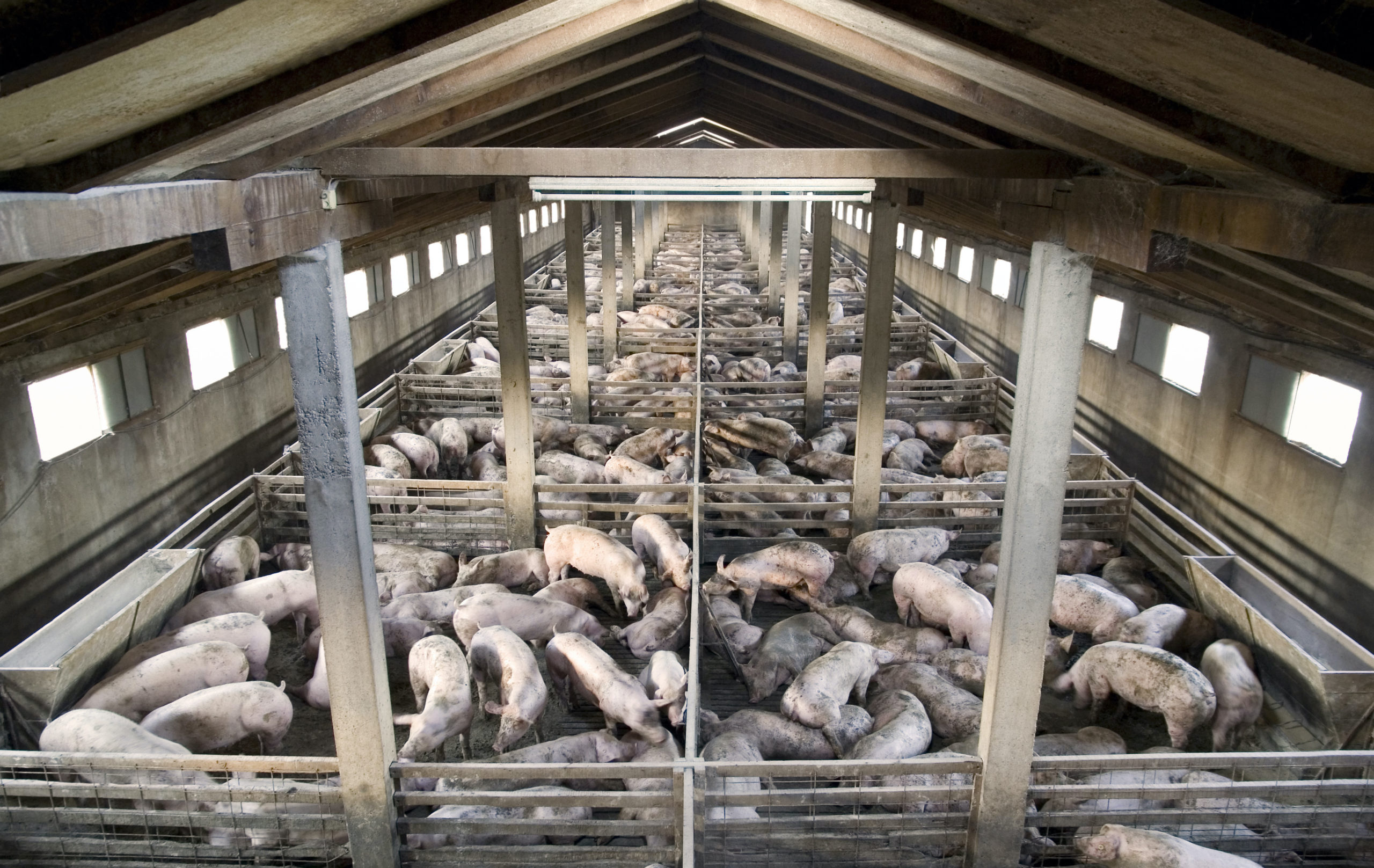
Concentrated Animal Feeding Operations (CAFO) today are integral to the growth of the animal product market. Cattle, swine, and poultry CAFOs and related facilities generated more than $120 billion in 2004 and the industry has continued to grow. However, this revenue does not reflect the negative health impacts that CAFOs have on surrounding communities.
It’s the stories, news, events, and what we’re doing every day that help spread the message of change. Bookmark this page and check back often to stay up-to-date with CleanAIRE NC.