by former Charlotte Mayor Jennifer Roberts A successful Greening Our Faith Communities Summit was held May 20 – 21, focusing mostly on the faith community in the Charlotte area, but drawing interest and speakers from around North Carolina. The two-day virtual summit was organized primarily by GreenFaith and Clean Air Carolina, with support from ecoAmerica, Good Solar, MeckMIN, and numerous other...
by Rev. Amy Brooks It is amazing that all faith traditions teach some version of this truth: that the earth is a sacred gift and that humanity is expected to take care of this gift. Sadly though, when we look around we realize we must do a better job, not just for the planet but...
by Kerstan Ryan On Tuesday, April 27, Clean Air Carolina will be recognized as one of ten finalists for the 2021 American Climate Leadership Awards. Hosted by ecoAmerica, the awards acknowledge climate leaders and organizations building political resolve for climate action at local, regional, and national levels, particularly those who center diversity, inclusion, and justice...
by Andrew Whelan The struggle for climate health and for climate justice are inseparable. We simply cannot achieve one without the other. “When we talk about climate solutions, we have to make sure that they’re just and equitable,” says William Barber III. “We need to recognize that the opportunity to address the climate crisis is...
by Joel Porter North Carolina’s air got a little cleaner this week. Thanks to Clean Air Carolina’s advocacy, CPI Roxboro in Person County and CPI Southport in Brunswick County will cease operations after years of emissions violations. These two power plants burned waste (tires, train ties, etc.) and coal to generate energy, then turned around...
As the Charlotte region grows, its air quality is under threat: Particle pollution from vehicles, ground-level ozone, pollution from coal and natural gas power plants, and more all contribute to an invisible yet serious challenge. Clean Air Carolina executive director June Blotnick went on the Future Charlotte podcast last month to talk with Ely Portillo...
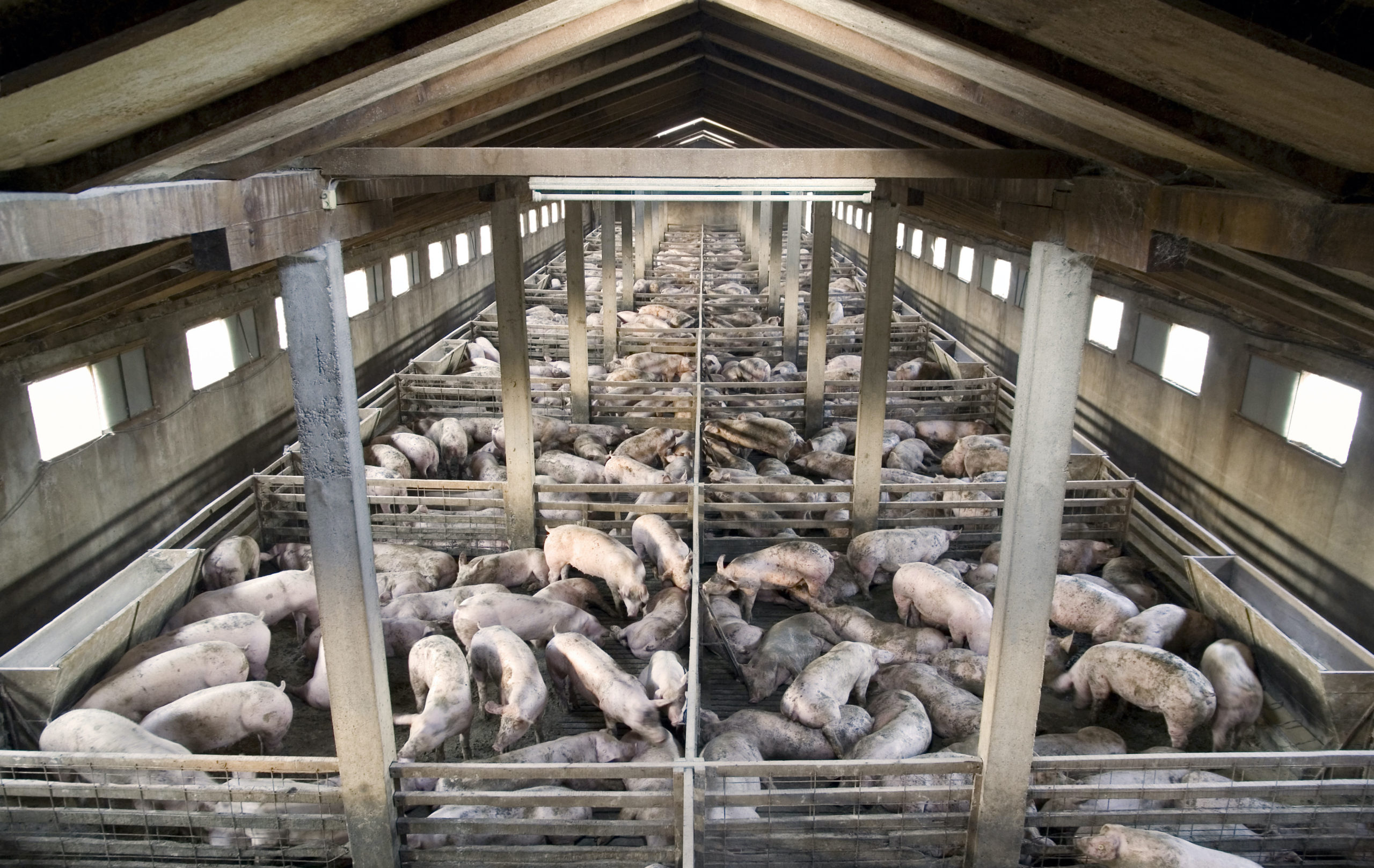
by Joel Porter A new alliance of what could be considered strange bedfellows is emerging here in North Carolina. In Duplin and Sampson counties, the energy industry is joining forces with the agriculture industry on what they have been saying is “for the good of the climate, consumers and family farmers.” This is a classic...
by June Blotnick and Todd Miller North Carolinians routinely feel the impacts of climate change. Extreme weather occurs more frequently, and with it comes floods and droughts that endanger and disrupt our lives and workplaces, and cause billions in yearly property losses. Sea levels get higher along our coast, and that erodes shorelines and marshes...
by Joel Porter North Carolina’s roadmap for meaningful climate action must include Duke Energy. The electricity sector is the largest single source of greenhouse gas emissions in the state, and Duke Energy is the biggest energy producer. It’s why the recent, ambitious climate goals set by the company are such a big deal. But how...
Solving the climate crisis is going to require all of us working together. Nobody, and no state, can do it alone. Earlier this week Clean Air Carolina, along with our partners at the North Carolina Coastal Federation and SELC, filed a petition with the N.C. Environmental Management Commission urging North Carolina to join our neighboring states...
It’s the stories, news, events, and what we’re doing every day that help spread the message of change. Bookmark this page and check back often to stay up-to-date with CleanAIRE NC.