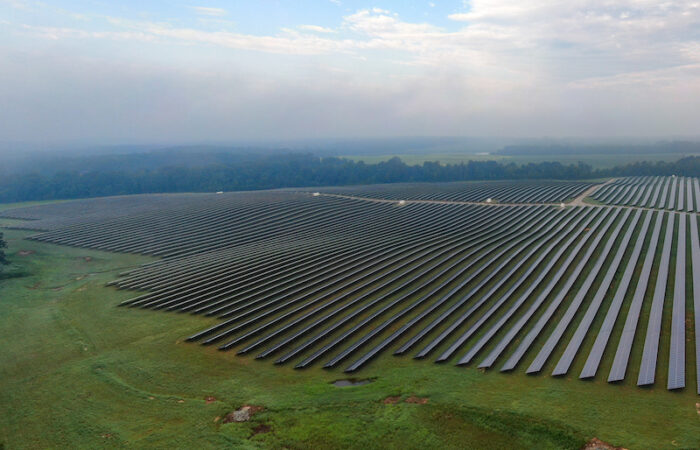
Here are just a few of the climate and clean air victories we achieved in 2023, thanks to your support.


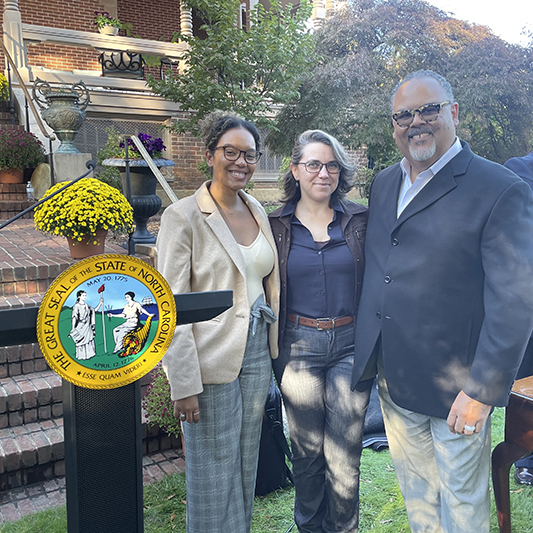
Following a year of meetings with Gov. Cooper’s office and rallying NC communities to weigh in on the EJ issues that matter to them, together our advocacy helped secure a new Executive Order that will prioritize environmental justice in NC policymaking.

We mobilized hundreds of North Carolinians to voice their support for stronger air quality and climate standards, including calls for more robust limits on climate pollution from fossil fuel power plants across the U.S.

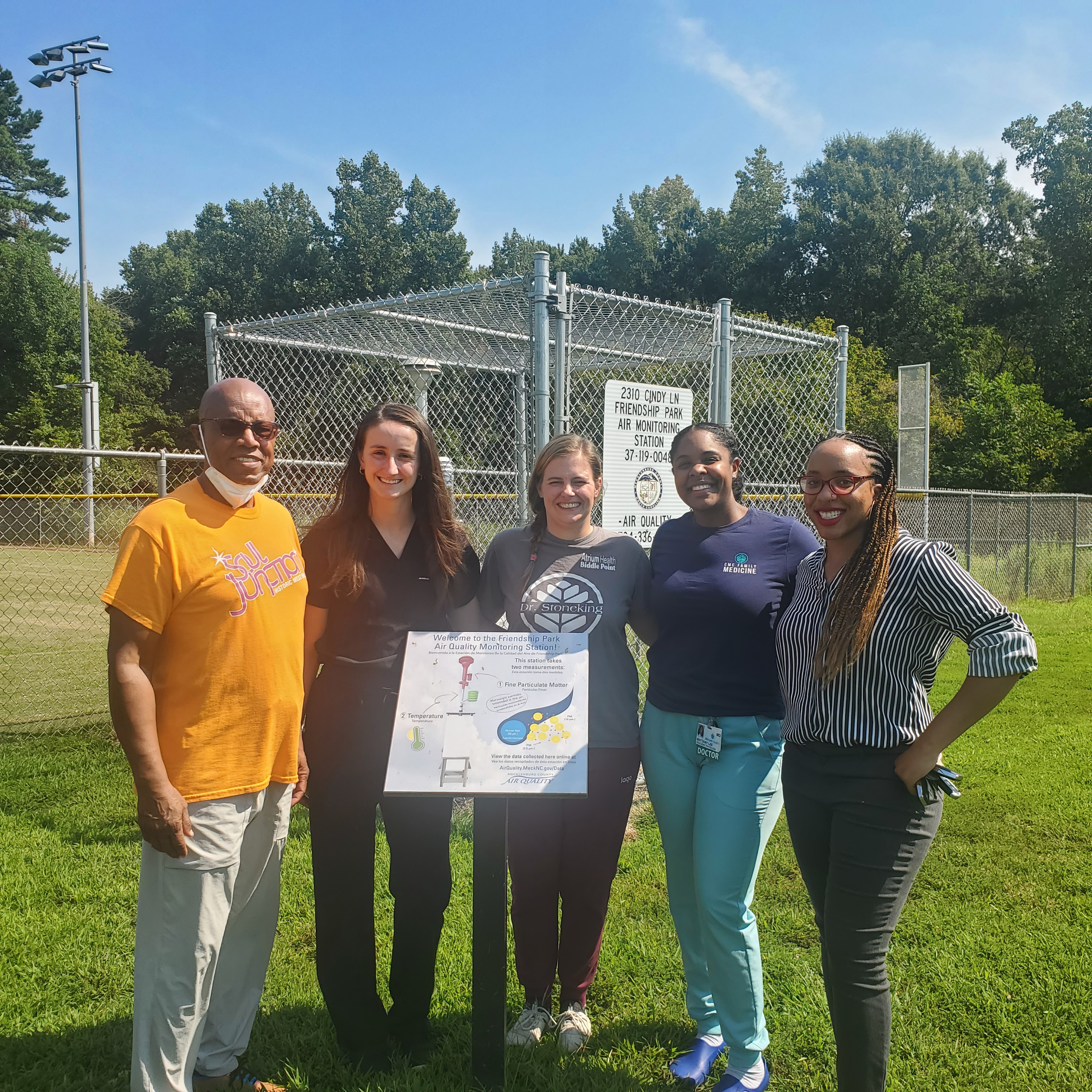
Our AirKeeper network keeps on growing, with 20 new volunteer air monitor hosts joining us to measure their community air quality in Durham, Northampton, Mecklenburg, Sampson, and Alamance Counties.
We provided resources and training to hundreds of doctors, school nurses, and other health professionals to help them integrate environmental health into their patient care and lead calls for clean air and climate solutions.

With Duke Energy planning to raise electricity bills to support their outdated fossil fuel investments, CleanAIRE NC and our partners organized a rally and press conference urging state regulators to oppose inequitable rate hikes that would disproportionately impact low-income households.
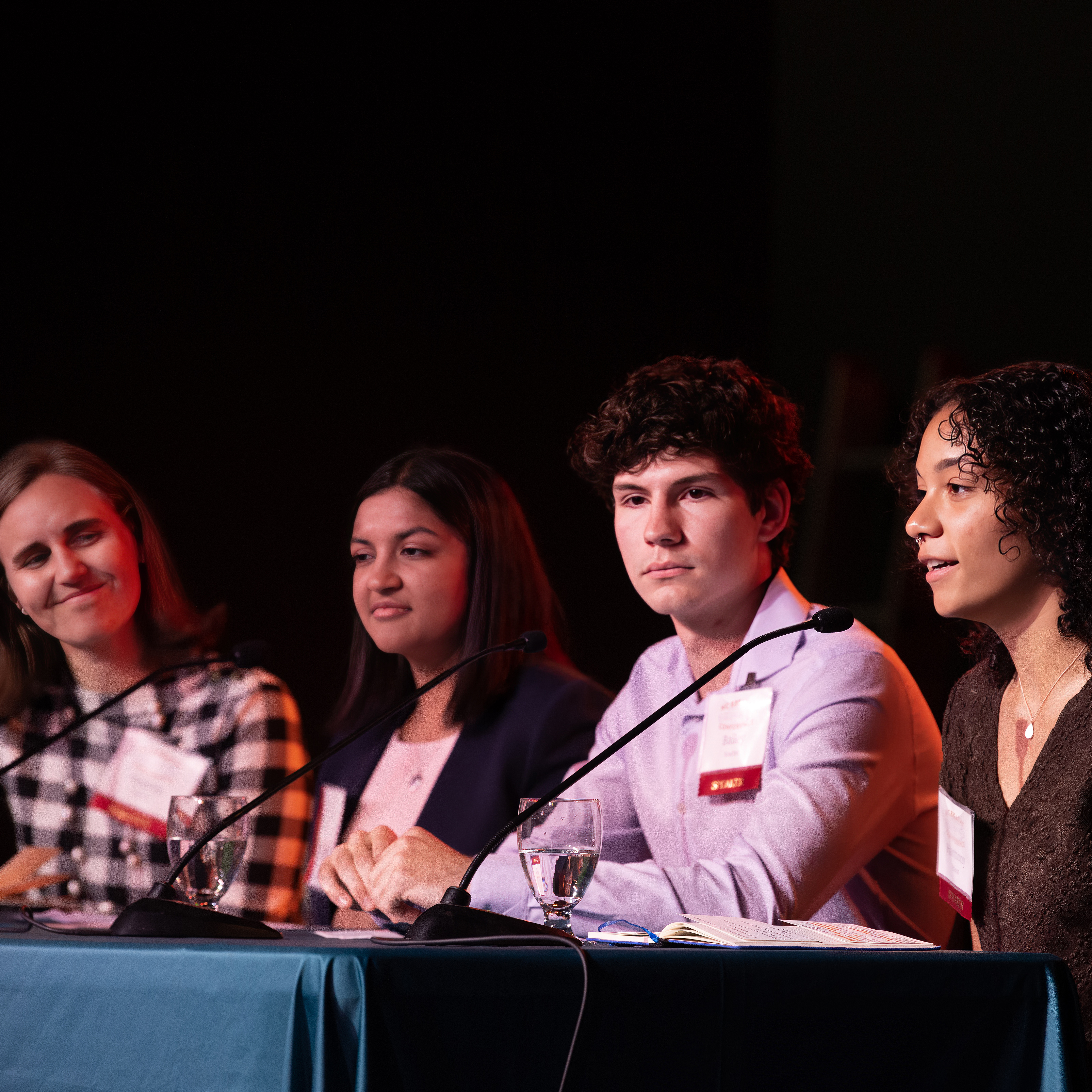
Our 2023 NC BREATHE Conference drew a diverse group of health professionals, students, and community advocates to share strategies for climate justice and healthier communities.

CleanAIRE NC was accepted into the U.S. State Department’s Young Leaders of the Americas Initiative, partnering with Bolivian entrepreneur Daniela Rossana of Yo Planto un Arbolito to develop a strategic engagement plan to foster outreach to North Carolina’s Latinx communities. This partnership will lay the groundwork for future collaborations with environmental leaders and organizations in Bolivia and beyond.

We’re holding industrial-scale livestock farms (also known as CAFOs) accountable for their damage to NC’s air, water, and communities. This year we organized calls to strengthen limits on CAFO pollution, while amplifying community voices through documentary screenings of The Smell of Money in Davidson, Asheville, and Winston-Salem.