CleanAIRE NC is encouraged by the North Carolina Department of Environmental Quality’s (DEQ) latest Greenhouse Gas (GHG) Inventory, which reports that in 2022, our state’s emissions reached their lowest level in decades. This progress is a testament to North Carolina’s transition toward cleaner energy and transportation, as well as the impact of state-level policymaking. However, CleanAIRE NC still has major concerns regarding this milestone and looming threats that could reverse any hard-won gains.
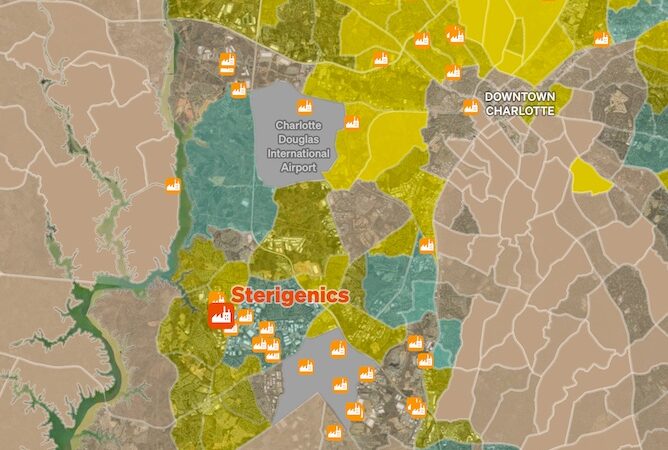
First, it is important to recognize that the statewide inventory aggregates data in a way that can mask localized “hotspots.” While the topline averages are encouraging, many fenceline communities adjacent to industrial corridors continue to bear a disproportionate health burden. A decrease in total greenhouse gases does not necessarily mean a decrease in the localized air toxins that drive asthma and heart disease in historically marginalized areas.
FOR IMMEDIATE RELEASE
February 26, 2026
MEDIA CONTACT
Andrew Whelan, CleanAIRE NC, (919) 229-9293, [email protected]
The DEQ report also confirms that, although emissions have recently decreased, they are projected to rise again between 2022 and 2030. This expected reversal is largely driven by Duke Energy’s latest Carbon Plan, which calls for a massive expansion of natural gas infrastructure and the extended operation of coal-fired power plants. Because the inventory’s data ends in 2022, North Carolina is likely already trending toward this projected increase. This gap also means the inventory does not account for the last four years of increasing development in North Carolina, which has shrunk the carbon-absorbing forests and other lands that DEQ attributes as a major contributor to the recent emission declines.
The state’s projected emission spike coincides with recent state and federal policy setbacks that will significantly undermine the progress we’ve made. These include SB 266, which eliminated North Carolina’s 2030 emission targets, and the EPA’s decision to abandon the Endangerment Finding and the safeguards that would have otherwise reined in emissions from cars, trucks, and power plants.
Furthermore, while the updated GHG inventory focuses heavily on carbon dioxide emissions from energy generation, it overlooks fugitive methane leaks from the extraction, transport, and burning of natural gas. Methane is over 80 times more potent than CO2 at trapping heat in the atmosphere over a 20-year period. If we aren’t measuring the leaks from the very gas plants Duke Energy wants to build, we are essentially cooking the books on our climate goals.
North Carolina cannot afford to stall or reverse its momentum. CleanAIRE NC calls on the NC Utilities Commission to reject Duke Energy’s plan to double down on coal and gas. We also urge DEQ to remain vigilant and adopt even more rigorous methane tracking standards.
###
CleanAIRE NC is a statewide nonprofit organization advocating for the health of all North Carolinians by pursuing equitable and collaborative solutions that address climate change and air pollution. www.cleanAIREnc.org